Before your day has properly started, microbes have already made half your breakfast. The yogurt's tang, the sourdough's lift, the coffee's fruit notes — all are microbial handiwork, performed overnight in kitchens and factories around the world.
Breakfast: the busiest shift
Yogurt is the clearest example of microbes on a deadline. Two bacterial species, Streptococcus thermophilus and Lactobacillus delbrueckii, convert milk sugar to lactic acid in a matter of hours — thickening the milk, building flavor and making the result easier to digest. Change the ratio or the temperature by a few degrees and the whole character shifts.
Lunch to dinner: the quiet contributors
Cheese, salami, pickles, soy sauce, vinegar — the pattern repeats. Microbes preserve by acidifying, transform texture by breaking proteins, and create the volatile compounds we perceive as depth. Even chocolate begins with a wild banana-leaf ferment of cacao pulp that most eaters never hear about.
Roughly one in three foods you eat was touched, transformed or protected by fermentation.
What this means for makers
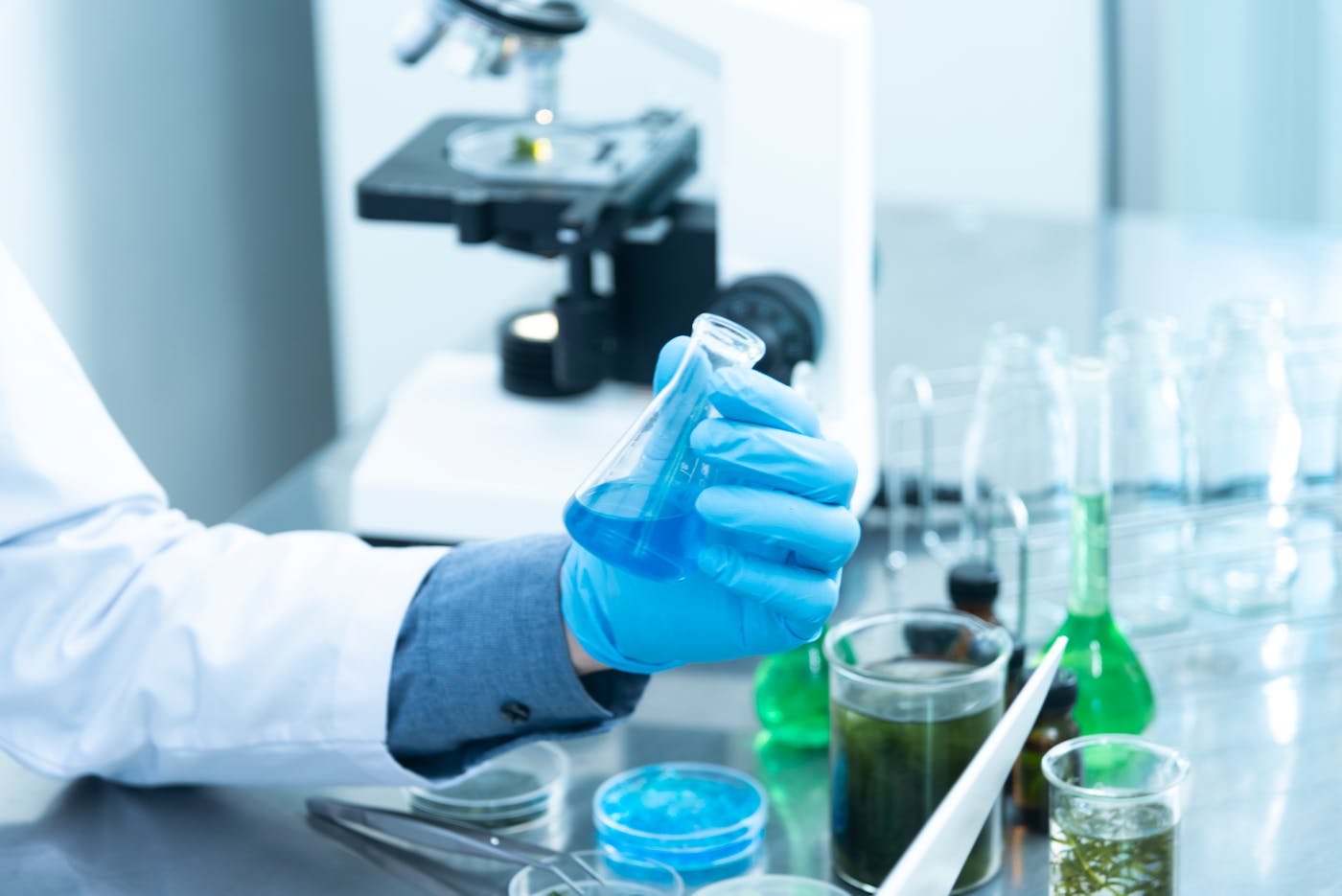
Understanding the workforce changes how you run the factory. Fermentation is the cheapest preservation technology on earth and the most powerful flavor tool — but only when the right microbes win. That means verified starters, monitored pH curves and periodic plate counts: small lab habits that decide whether tradition scales or spoils.
Our lab exists for exactly that gap between recipe and reliability. Bring us the ferment; we will show you who lives in it and how to keep them working.