A jar of kimchi at day three is not a single ingredient changing. It is a performance: dozens of bacterial and yeast species entering on cue, handing off solos, quieting down as acidity rises. Producers who learn to hear that music make consistently extraordinary food.
The first movement: fast and loud
In the opening days, salt-tolerant pioneers dominate — Leuconostoc in kimchi, Streptococcus in yogurt. They work quickly, dropping pH and producing the carbon dioxide that pushes oxygen out. This is the crunchiest, brightest phase, and also the most fragile: too warm a room and the tempo runs away.
The second movement: depth enters
As acidity climbs, acid-loving Lactobacillus species take the lead. Flavors deepen — buttery diacetyl, tangy lactic acid, savory amino acids released by slowly breaking proteins. Rushing this stage with heat is like fast-forwarding the adagio: you get volume without meaning.
Great ferments are conducted, not controlled. Your job is to set the conditions and listen.
Keeping the orchestra in tune
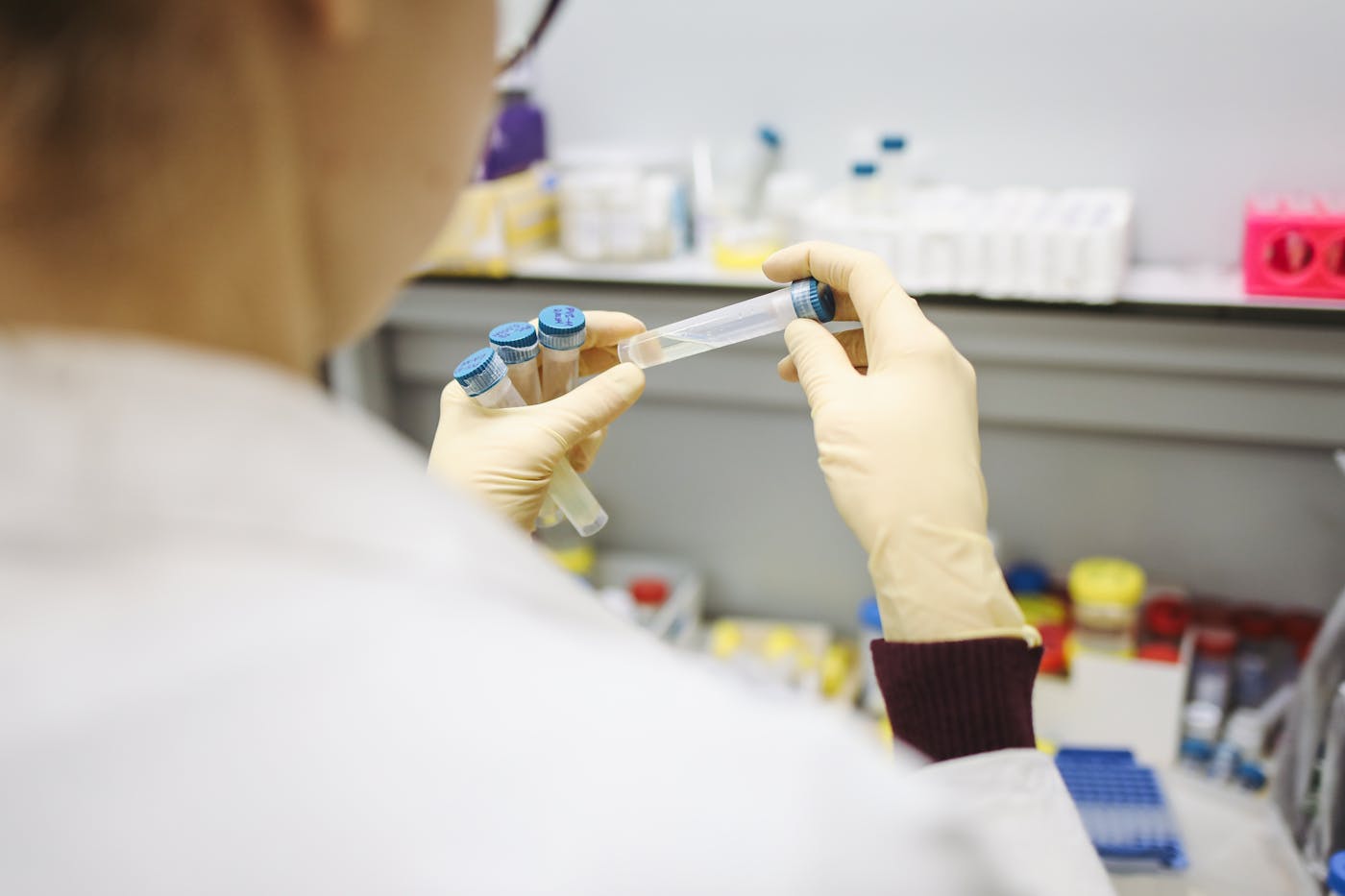
Three lab habits separate reliable ferments from lucky ones. First, know your starter: verify strain identity at least yearly, because cultures drift. Second, log pH against time for every batch — the curve tells you more than any tasting note. Third, plate a finished sample quarterly; the colony counts reveal newcomers long before flavor does.
Our fermentation programs give makers exactly this score to read from: baselines, drift alerts and tuned protocols. When every microbe plays its part, the result tastes inevitable — which is the hardest trick in food.